
MENU


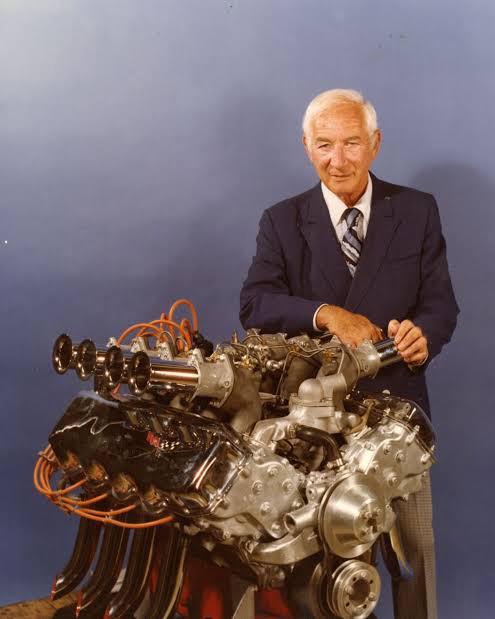
Before Zora Arkus-Duntov became synonymous with the Chevrolet Corvette, he played a pivotal role in one of the most important aftermarket performance innovations of the 1940s: the Ardun overhead-valve (OHV) conversion for Ford’s flathead V8. The engineering breakthrough transformed an affordable but airflow-limited, overheating-prone engine into a far more capable powerplant, helping lay the groundwork for hot rodding, land-speed racing, and early drag racing.
Zora Arkus-Duntov was born on December 25, 1909, in Brussels, Belgium. A trained mechanical engineer with a deep passion for racing, he developed expertise in camshaft design, aerodynamics, combustion, and high-performance engines—skills that would later help define the Corvette’s legacy as America’s sports car.
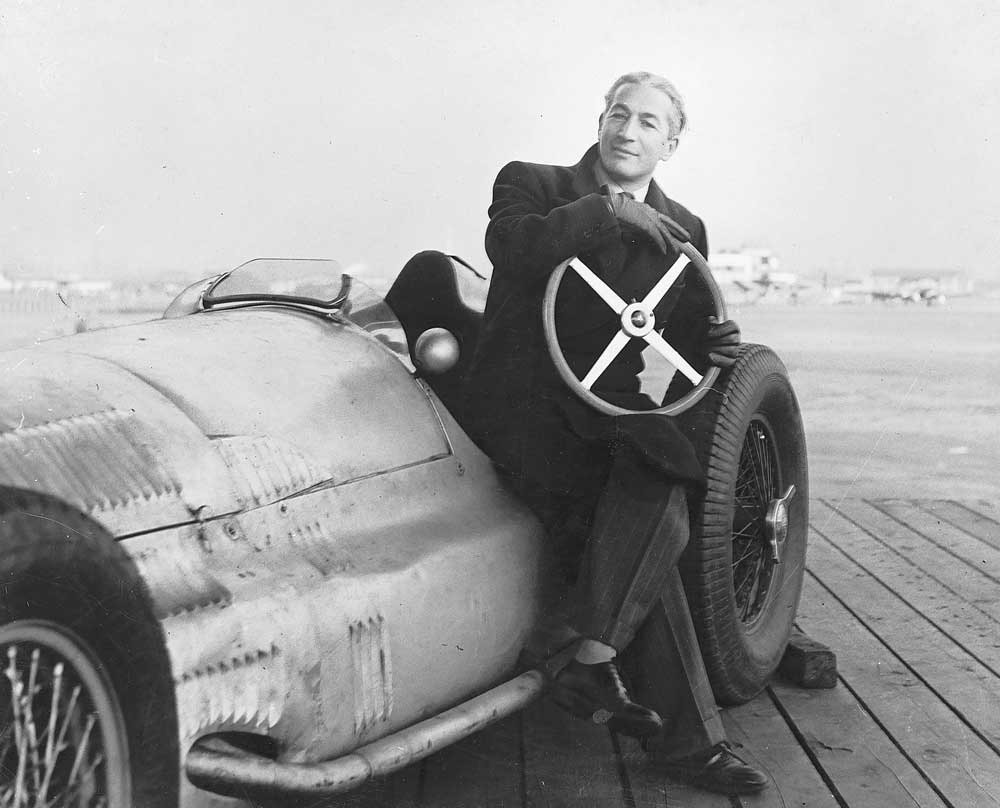
After studying engineering in Berlin, Duntov’s early career included work with racing engines, camshaft profiles, and high-speed combustion systems. His love of performance machinery led him into endurance racing and American V8 power, setting the stage for his influential work at Chevrolet.
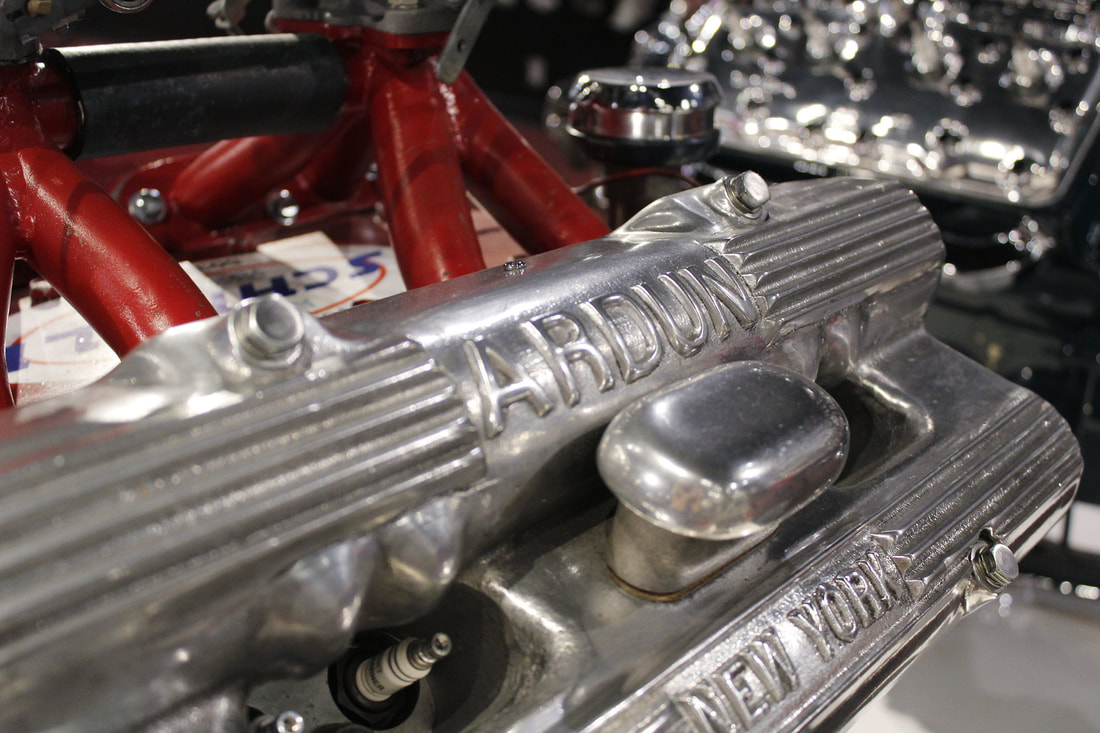
During the 1940s, Zora and his brother, Yura Arkus-Duntov, operated Ardun Mechanical Corporation in New York City. The name “Ardun” combined elements of Arkus and Duntov and became closely associated with their work in high-performance engineering and manufacturing.
Ford’s flathead V8, introduced in 1932, was popular because it was affordable and widely available. But its side-valve architecture created two significant limitations:
Seeing an opportunity to improve both performance and reliability, Zora and Yura developed a bolt-on overhead-valve cylinder-head conversion. The design allowed the flathead V8 to breathe more efficiently while addressing the heat-management problems that had constrained the original engine.
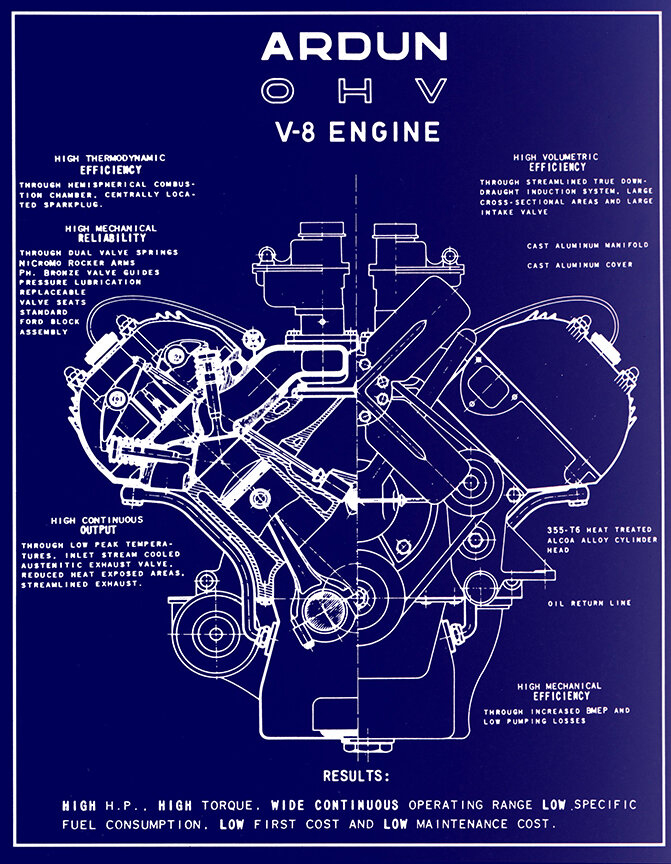
The Ardun heads represented a complete rethinking of the Ford flathead’s airflow and combustion dynamics. Key features included:
High-performance Ardun engines were offered in configurations producing as much as 200 horsepower—a dramatic increase over the roughly 100 horsepower available from a typical stock flathead V8.
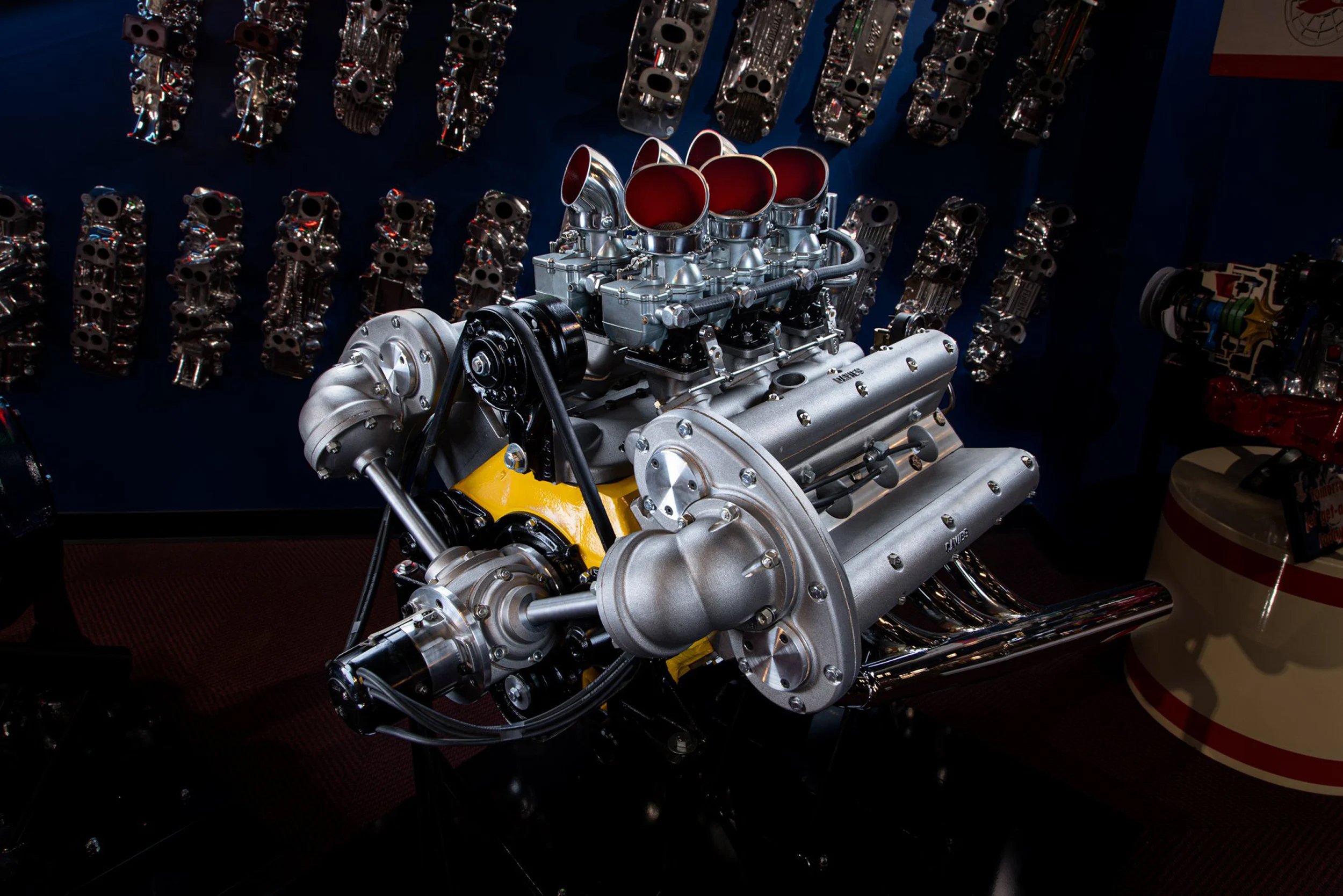
The Ardun OHV conversion became a prized piece of equipment among early hot rodders and racers, particularly in land-speed competition at the dry lakes and Bonneville.
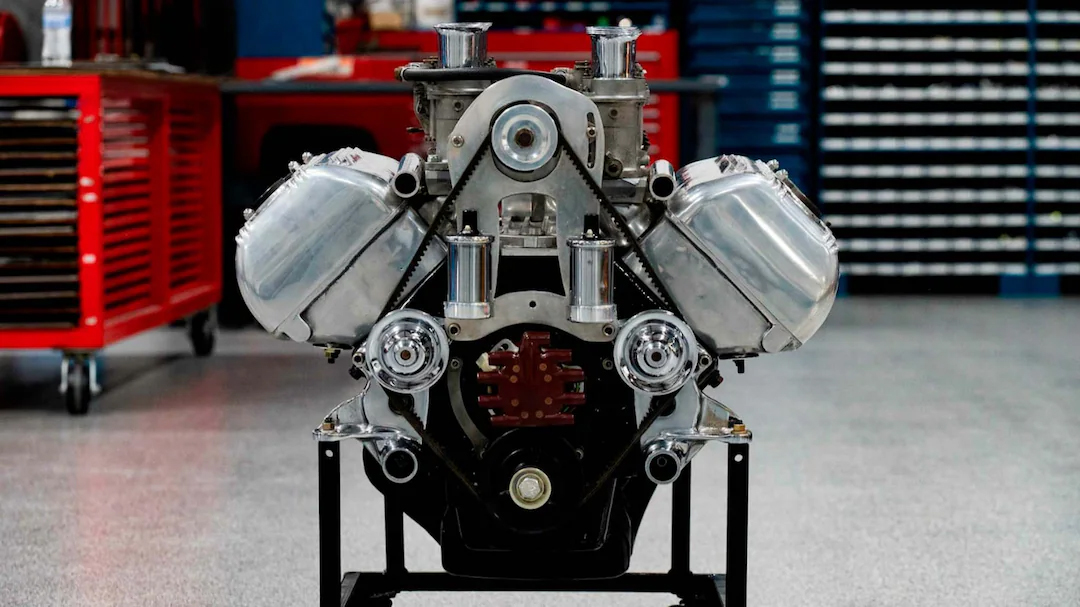
The Ardun conversion was ingenious, but it was also expensive and complex compared with a stock Ford flathead. Those factors limited widespread adoption. By the early 1950s, factory-built overhead-valve V8s from Cadillac, Chrysler, and Chevrolet offered similar advantages without requiring an aftermarket conversion.
Even so, the Ardun heads established Arkus-Duntov as an innovative engine designer. His mastery of airflow, combustion efficiency, and high-performance tuning foreshadowed the approach he would later bring to General Motors and the Corvette program.
Original Ardun cylinder heads are now rare and highly valued by hot-rod collectors and vintage-racing enthusiasts. Modern reproductions continue to serve nostalgia racers and custom builders who want to experience the distinctive performance and visual character of an Ardun-powered flathead.
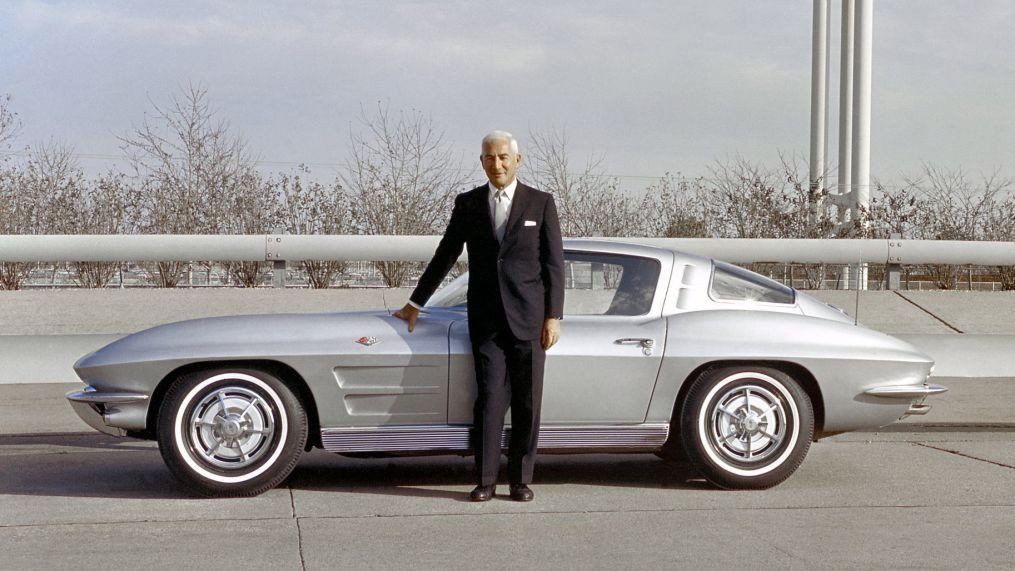
Duntov retired from General Motors in 1975, but his contributions to Corvette performance, small-block V8 tuning, and American sports-car racing continue to influence automotive engineering. His relentless pursuit of speed, power, and innovation earned him lasting recognition as the “Father of the Corvette.”
Zora Arkus-Duntov died on April 21, 1996. His legacy lives on in the Ardun conversion, in the performance culture he helped shape, and in every generation of Corvette that followed.
