
MENU


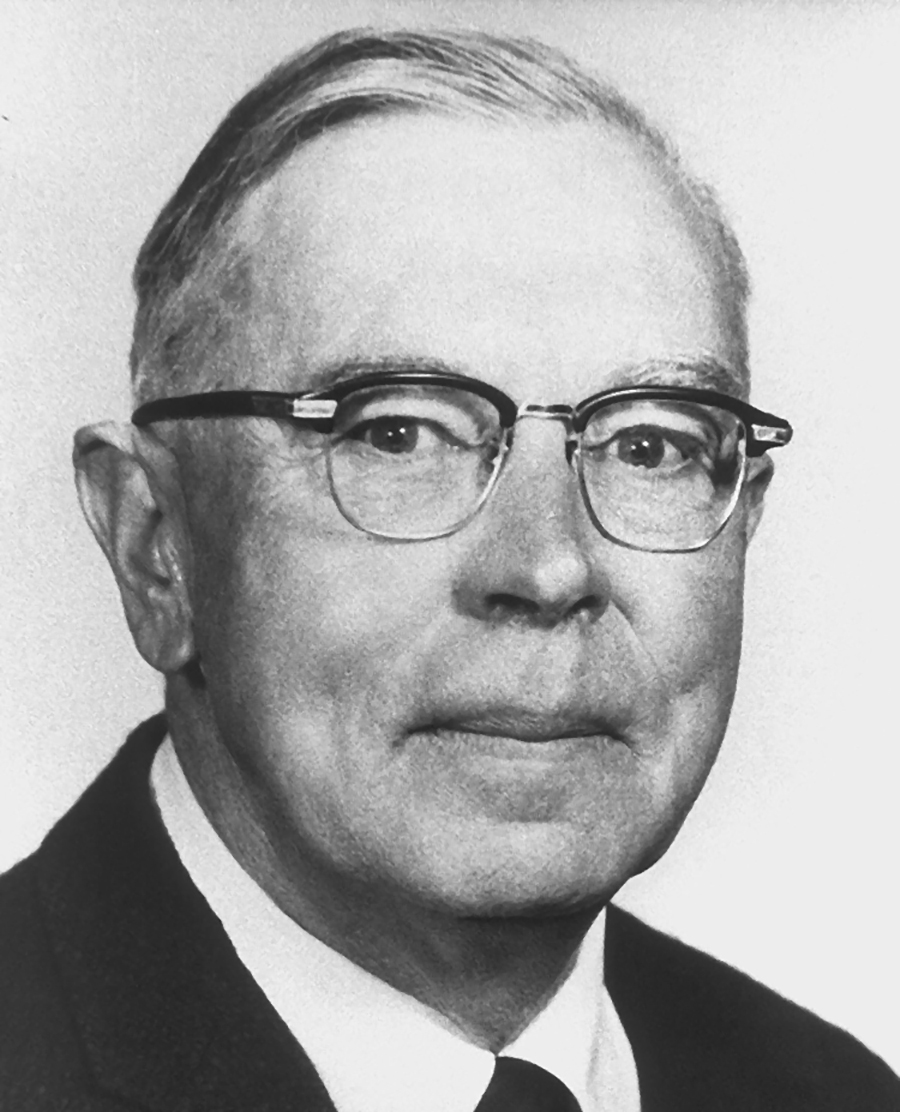
Leo Goosen, born in 1892 in Detroit, Michigan, was one of the most influential racing engine designers in motorsports history. While his name may not have been as publicized as the drivers he powered, Goosen’s innovative engine designs helped define the golden era of Indianapolis 500 racing and shaped the foundation of modern open-wheel competition.
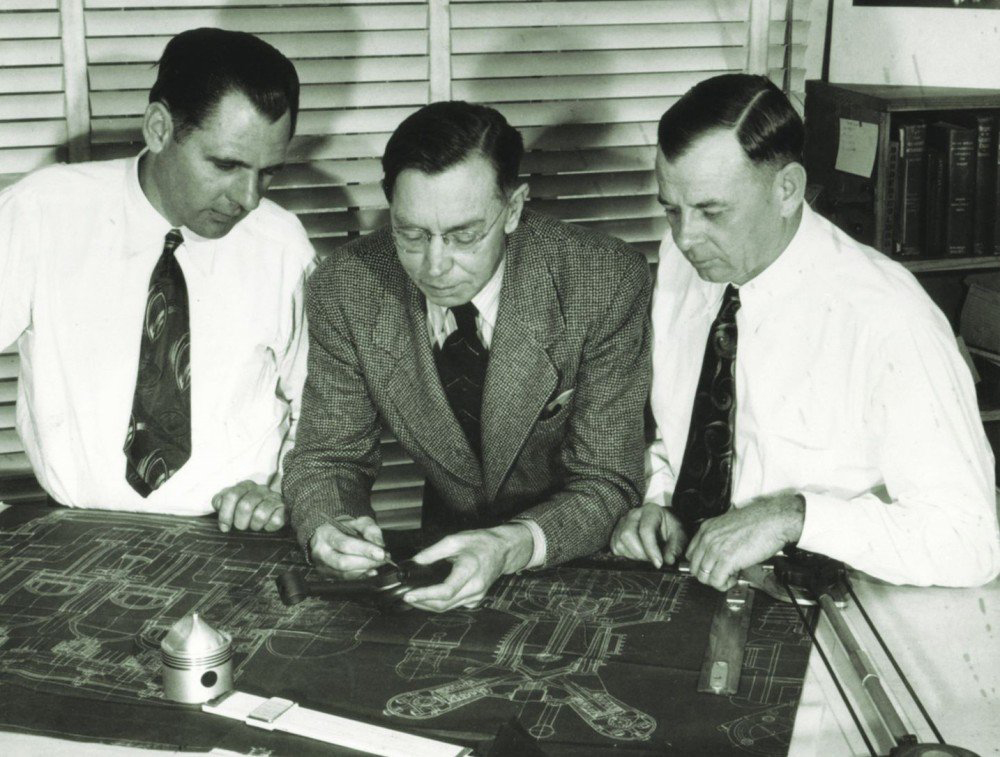
Trained as a draftsman and engineer, Goosen had a natural ability to visualize engine layouts, airflow paths, and mechanical efficiencies. His meticulous drafting skills and deep understanding of internal combustion dynamics made him one of the most respected minds in race engine design.
Goosen’s career took off when he began working with Harry A. Miller, a legendary car builder in the 1920s. Under Miller’s guidance, Goosen designed some of the first high-performance, twin-cam, supercharged racing engines, which became the foundation for American open-wheel racing’s most successful powerplants.
However, Goosen’s most iconic work came when he played a key role in the development of the Offenhauser engine—a powerplant that would go on to dominate IndyCar racing for nearly five decades.
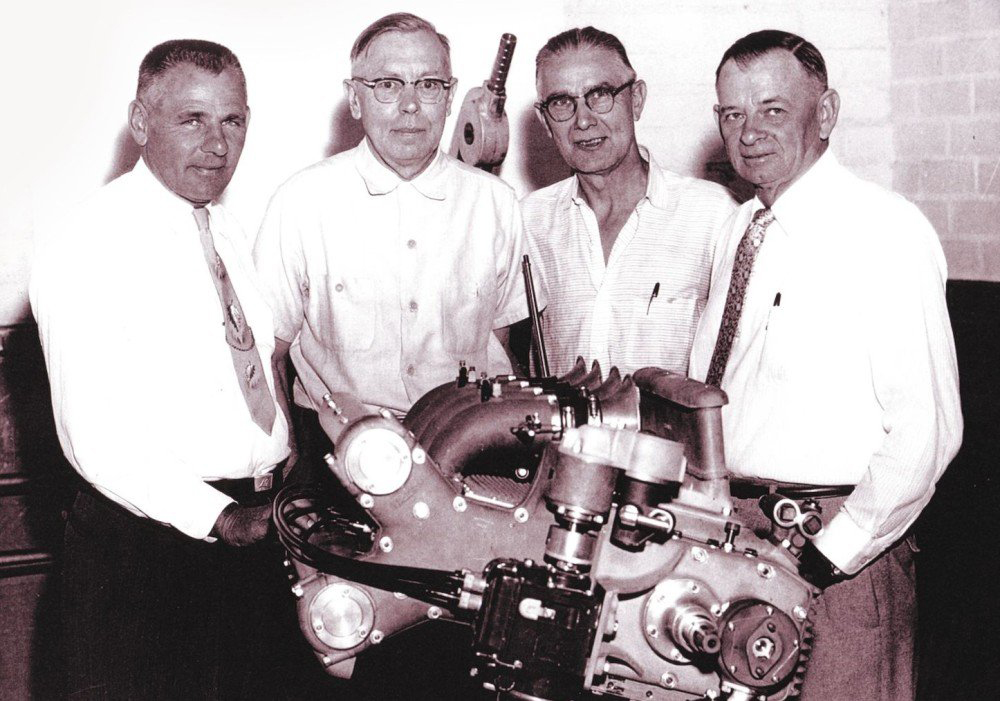
Key innovations Goosen introduced to racing engine design included:
The Offenhauser (Offy) engine, largely based on Goosen’s work, became the most successful engine in Indianapolis 500 history, winning 27 Indy 500s between 1935 and 1976.
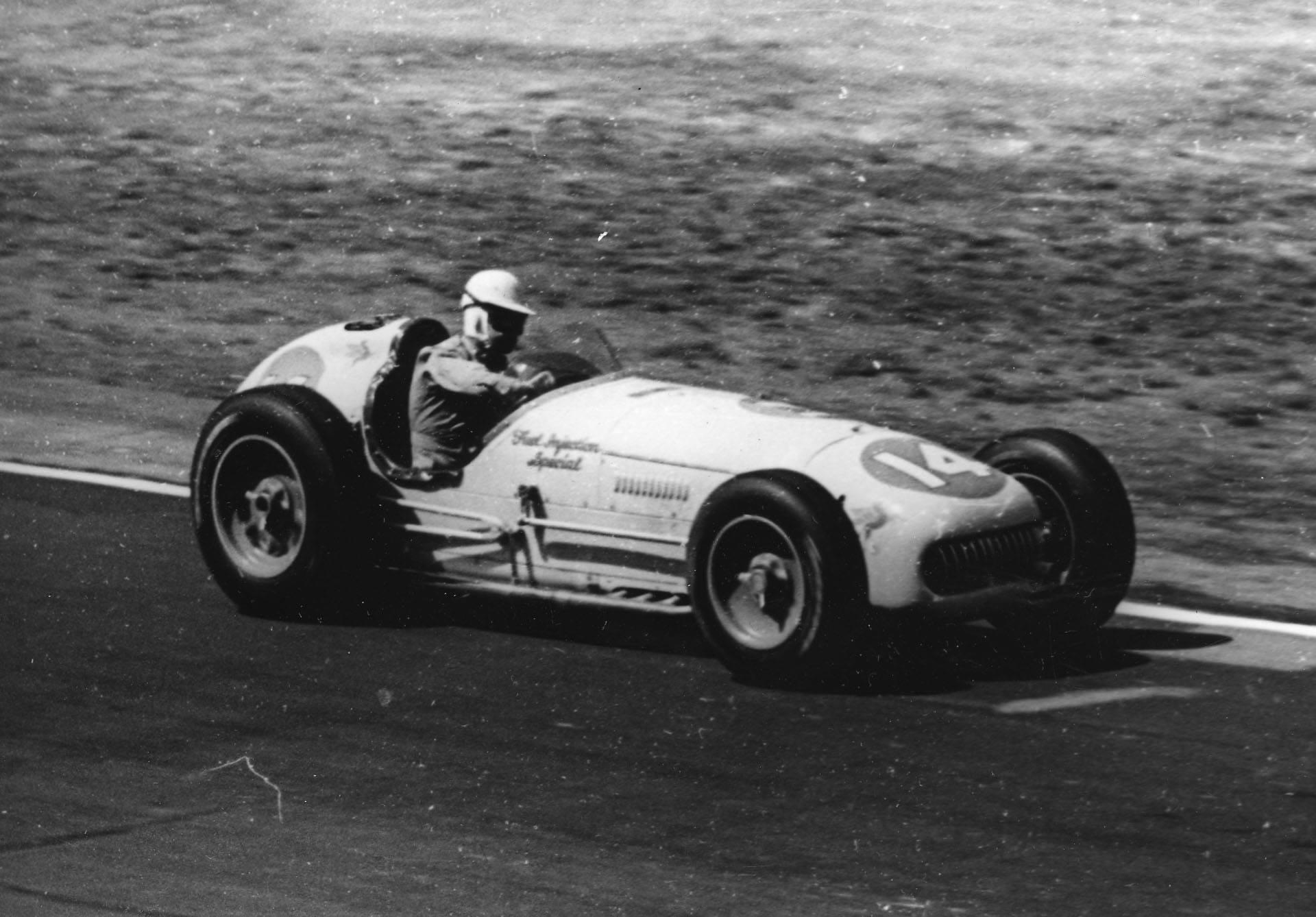
Goosen’s meticulous designs powered some of the most legendary drivers and teams in Indy 500 history. His engines:
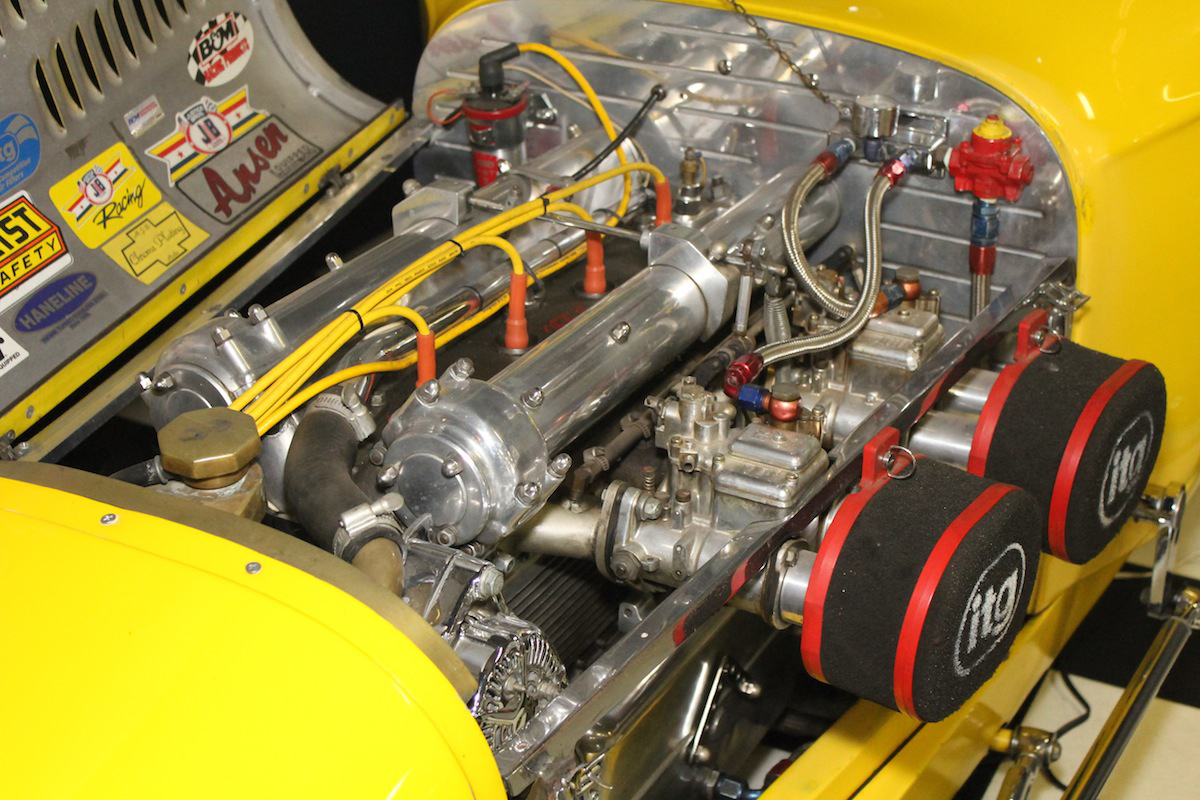
Goosen’s ability to balance high-revving power, durability, and mechanical simplicity made his engines legendary in motorsports.
Even after Miller’s company dissolved, Goosen continued designing race-winning engines, working with Fred Offenhauser and later Meyer-Drake Engineering. His designs influenced generations of racing engineers and paved the way for the turbocharged IndyCar engines of the 1970s and beyond.
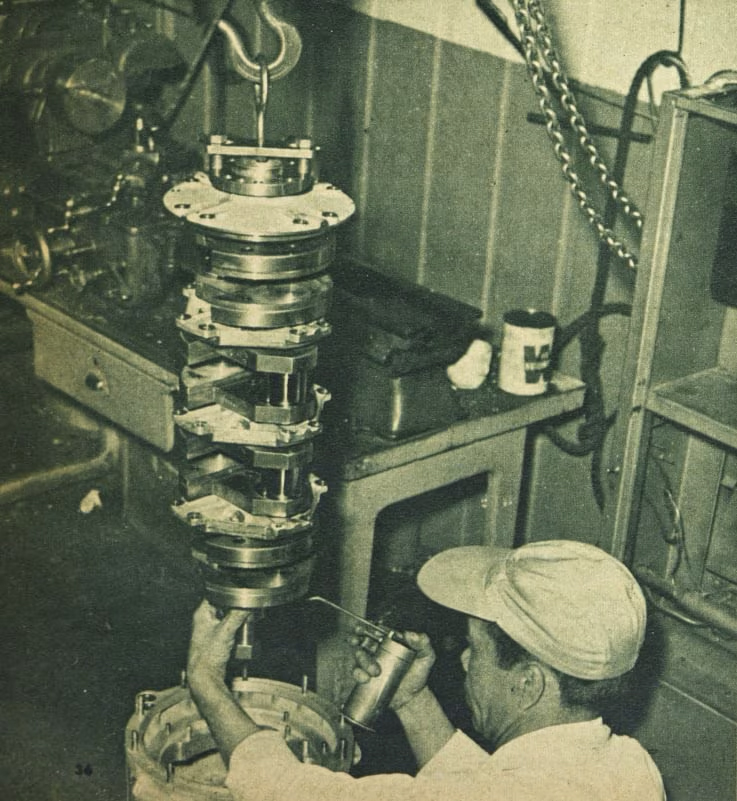
Unlike many racing engineers, Goosen preferred to work quietly behind the scenes, letting his engines do the talking. His detailed, hand-drawn blueprints set the industry standard for precision engine design, and many of his concepts are still applied in modern motorsports engineering.
Leo Goosen passed away in 1974, but his influence on high-performance race engine design remains undeniable. His work on the Offenhauser engine alone cemented his place in racing history, making him one of the most successful and influential engine designers of all time.
His innovative cylinder head designs, fuel delivery advancements, and engine durability breakthroughs shaped not only IndyCar racing but also influenced Formula 1 and endurance racing technologies.
Leo Goosen wasn’t just an engine designer—he was a visionary engineer who redefined motorsports powerplants, leaving behind a legacy of speed, performance, and mechanical perfection.
