
MENU


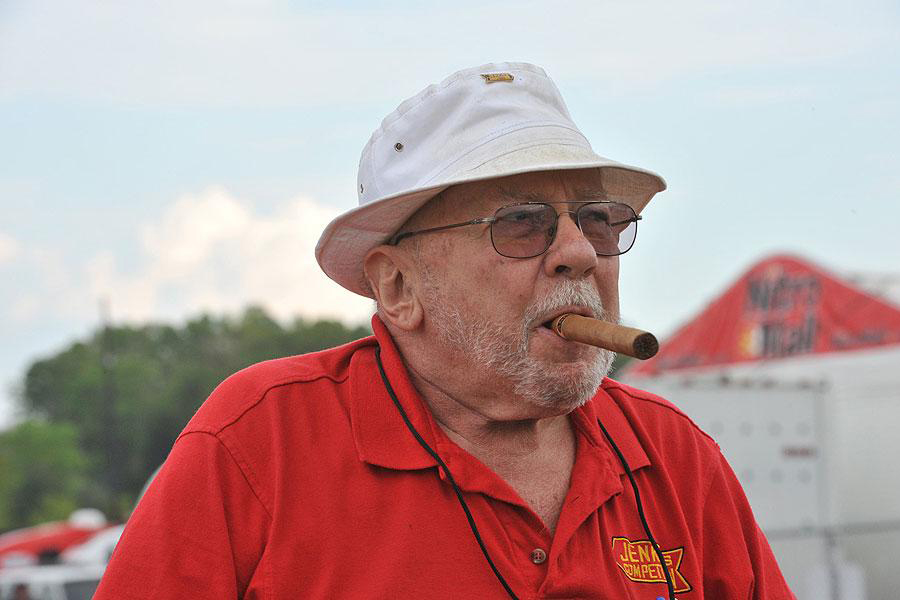
Bill “Grumpy” Jenkins combined mechanical intuition with an engineer’s disciplined search for efficiency. Known as the “Father of Pro Stock,” he transformed Chevrolet racing engines, helped define one of drag racing’s premier categories and influenced generations of racers who followed.
William Tyler Jenkins was born December 22, 1930, in Philadelphia, Pennsylvania. He studied engineering at Cornell University and brought an analytical, no-nonsense approach to engine building. His continual search for better performance left little time for idle conversation at the track, earning him the nickname “Grumpy.”
Jenkins gained national recognition in Super Stock, tuning and racing Chevrolet-powered cars for drivers including Dave Strickler. His ability to match airflow, camshaft timing, carburetion and ignition made his small-block engines exceptionally effective.
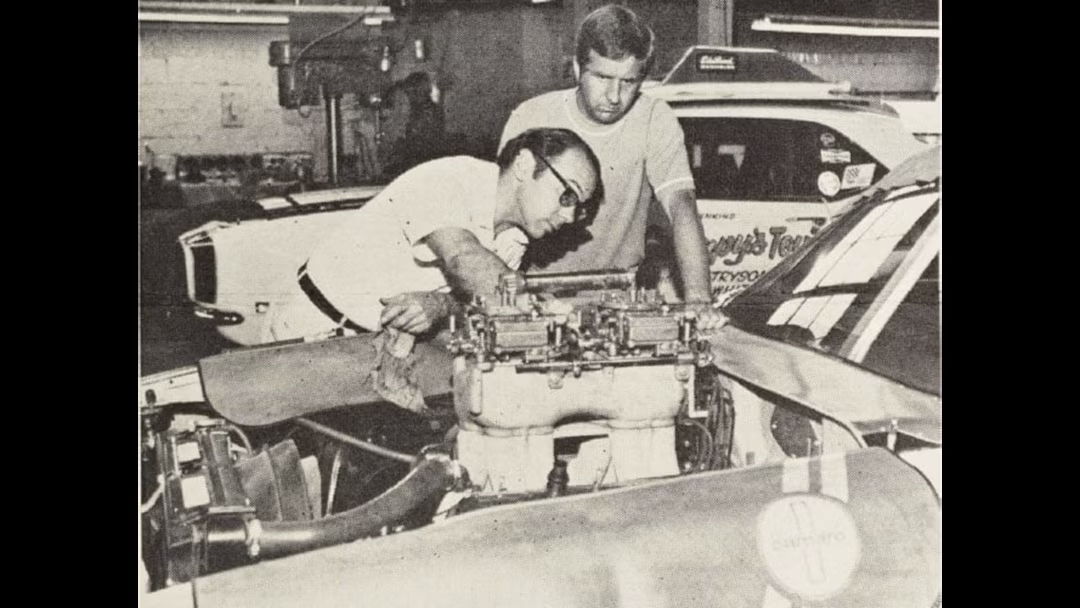
While many racers relied on larger engines, Jenkins became famous for extracting extraordinary power from small-block Chevrolets. His meticulous development of cylinder heads, intake manifolds, valvetrain geometry and lightweight components improved both output and reliability.
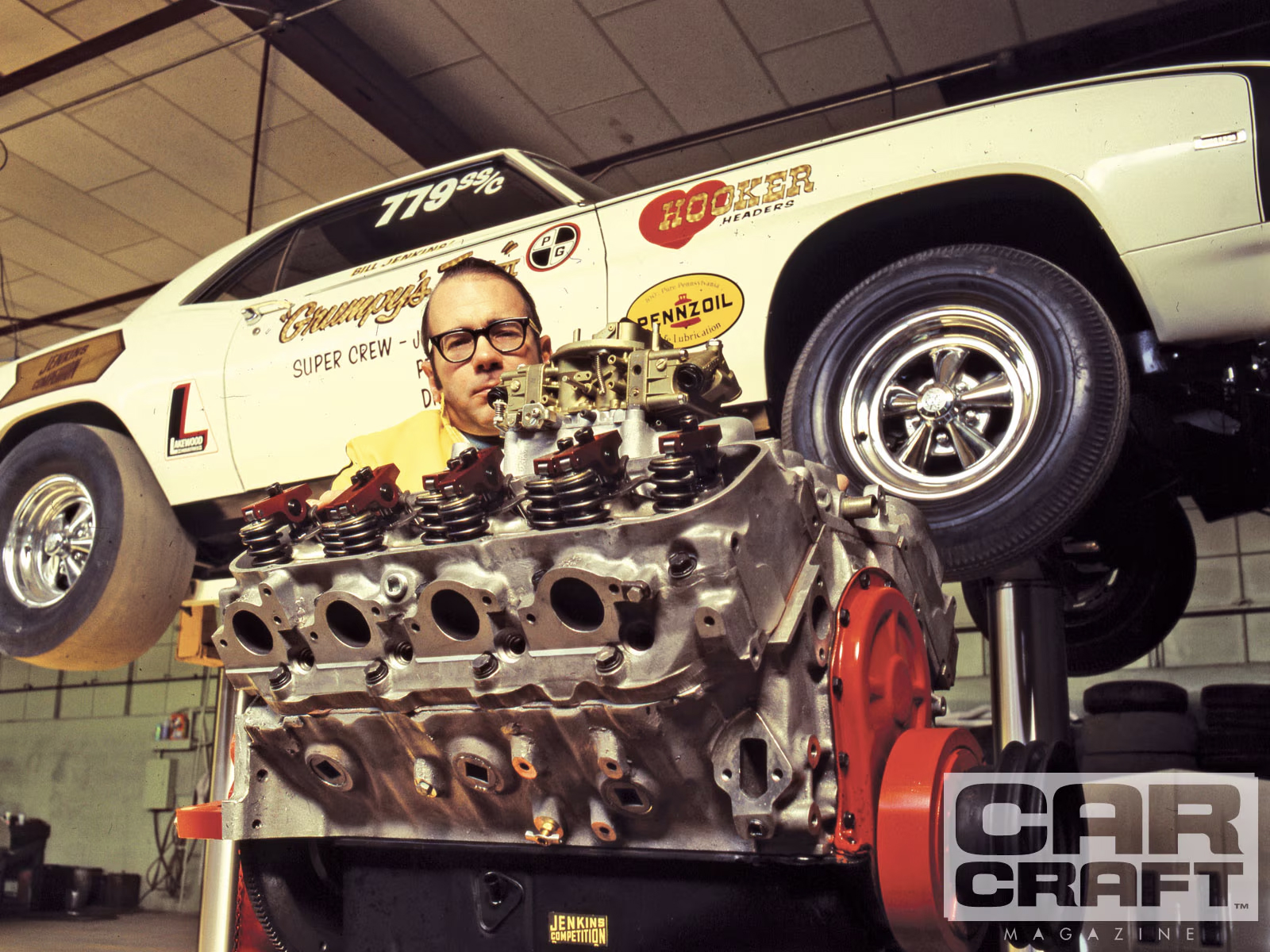
Jenkins understood that winning required more than peak horsepower. Weight, efficiency, consistency, gearing and vehicle setup all had to work together—a systems approach that became a hallmark of modern professional drag racing.
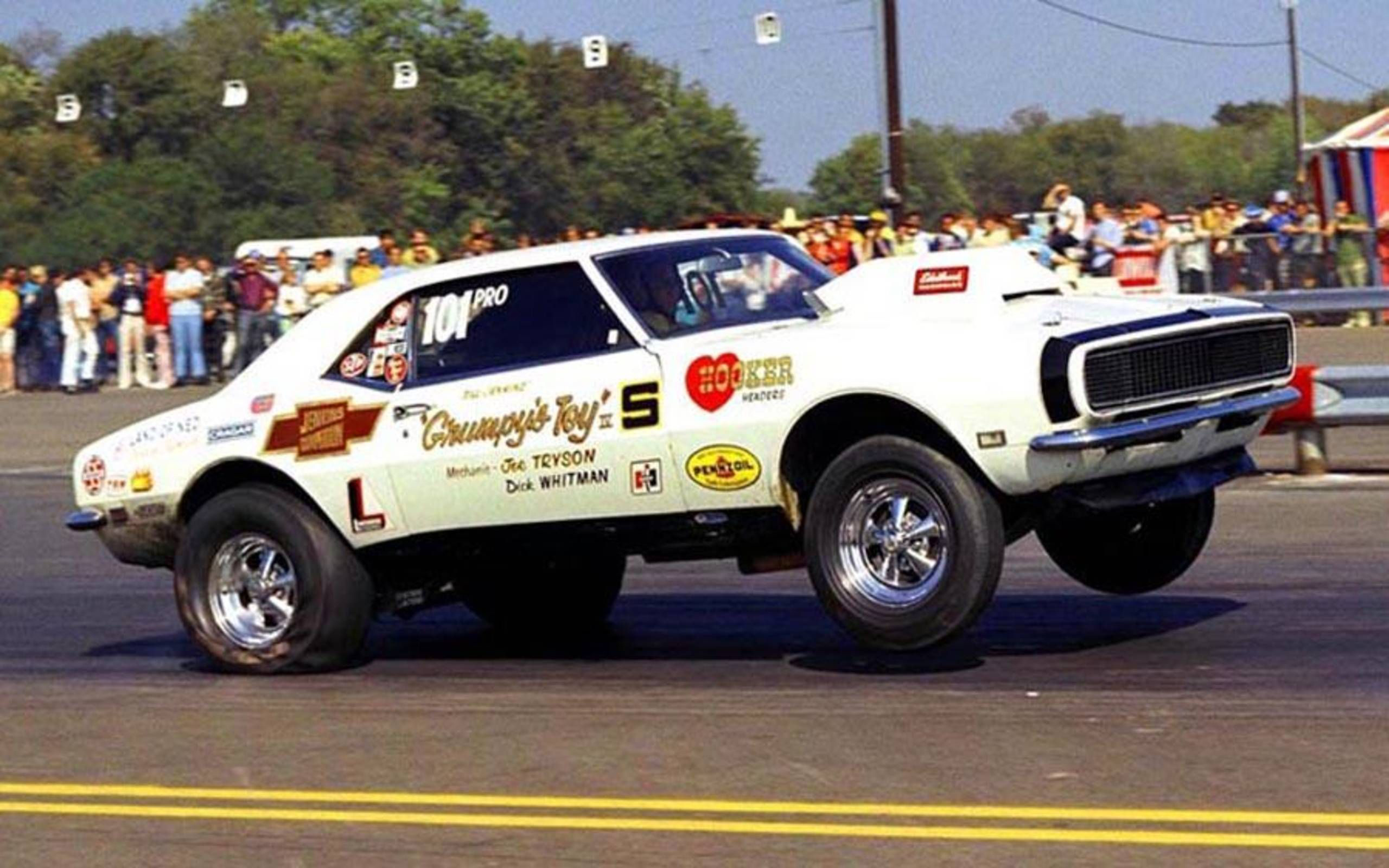
NHRA introduced Pro Stock at the 1970 Winternationals, and Jenkins won the inaugural event in his Grumpy’s Toy Camaro. His subsequent Camaros and Vegas became some of the era’s most recognizable race cars, demonstrating how a carefully engineered small-block combination could defeat heavier big-block competitors.
Across his driving career, Jenkins won 13 NHRA national events. His innovative cars, engines and tuning methods helped establish the technical foundation of Pro Stock and earned him eighth place on NHRA’s list of its 50 greatest drivers.
Jenkins built engines for 61 NHRA national-event winners, producing five NHRA championships and three AHRA championships. His influence also reached NASCAR, where his work contributed to Donnie Allison’s pole-winning entry for the 1975 Daytona 500 and Mike Swaim’s 1987 Busch Series Daytona pole.
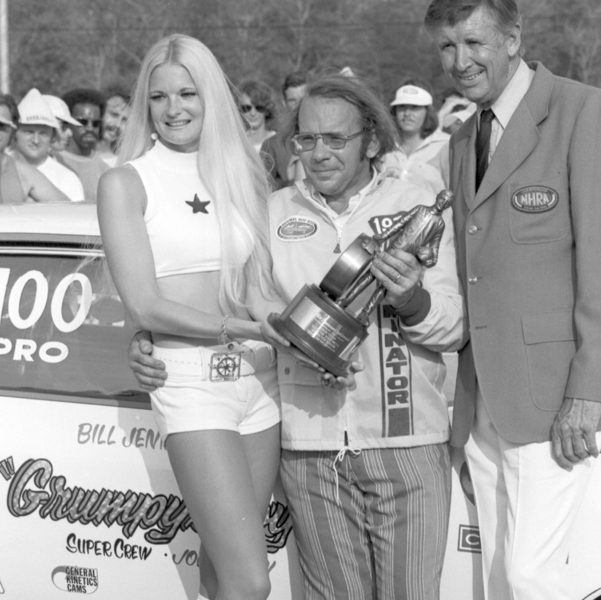
Jenkins received numerous honors, including induction into the International Drag Racing Hall of Fame in 1993, the Motorsports Hall of Fame of America in 1996, the Hot Rod Magazine Hall of Fame in 2000 and the International Motorsports Hall of Fame in 2008.
Bill Jenkins died March 29, 2012. His 13 national-event victories tell only part of the story: his deeper legacy lives in the engine builders and racers who adopted his precise, evidence-driven approach to performance. “Grumpy” was not simply a successful driver—he was one of drag racing’s defining technical minds.
